Foxglove Script Typeface for Campaign Design
It was 10:45 PM on a Tuesday, and I was staring at a blank canvas for a seasonal product launch. The client wanted something that felt personal yet polished, avoiding the sterile look of standard corporate sans serifs but steering clear of anything too whimsical or childish. I needed a typeface that could carry the emotional weight of a handwritten note while maintaining the structural integrity required for digital advertising. That is when I pulled Foxglove Script from my library. As a modern, handwritten calligraphy typeface within the Script Amp collection, it promised elegance without sacrificing clarity. What followed was not just a design session, but a practical test of how this font performs under the pressure of real-world campaign deadlines.
Visual Personality and First Impressions
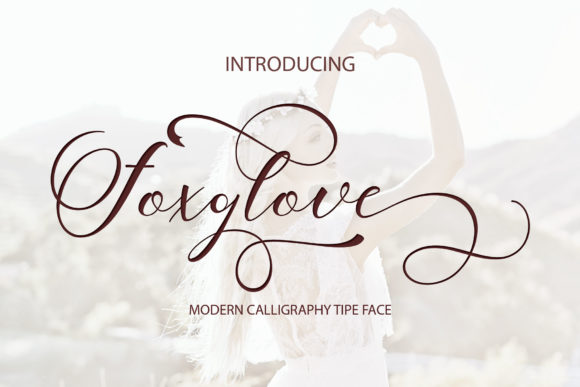
The first thing you notice about Foxglove Script is its fluidity. It does not feel static. The strokes have a natural variation in weight that mimics the pressure of a real pen on paper, giving it an organic, human touch. In the context of brand identity, this matters immensely. Audiences are increasingly skeptical of overly polished, automated-looking content. A font like Foxglove bridges the gap between professional design and personal connection. It feels approachable, sophisticated, and slightly intimate.
When I dropped the headline text into the layout, the letters connected seamlessly. The ligatures were intelligent, avoiding awkward collisions that often plague lower-quality script fonts. This attention to detail is crucial for logo design and high-visibility headers where every pixel counts. The mood is distinctly elegant, making it an ideal choice for industries that rely on trust and aesthetic appeal, such as beauty, wellness, boutique retail, or creative services. It communicates a sense of care, suggesting that the brand behind the message values craftsmanship.
Performance in Social Media Graphics
Testing Foxglove Script across different social platforms revealed its versatility, but also its limitations. For Instagram posts and Pinterest pins, the font shines. I used it for a quote graphic overlaying a soft, textured background. The contrast between the delicate script and the minimal backdrop created a strong visual hierarchy. The eye was immediately drawn to the message, which is the primary goal of any social media graphic.
However, readability is a constant challenge with any script font. On mobile screens, where users scroll rapidly, fine details can get lost. I found that Foxglove performed best when used for short headlines, callouts, or decorative titles rather than body copy. For a YouTube thumbnail, I paired it with a bold, clean sans serif font. The script provided the emotional hook, while the sans serif ensured the key information was legible even at a small size. This combination is a staple in modern typography systems because it balances personality with function.
For Reels covers and TikTok thumbnails, I had to be more strategic. I increased the letter spacing slightly and ensured the background had sufficient contrast. Dark backgrounds with light text worked well, but only if the font weight was substantial enough to stand out. Foxglove Script is not a heavy blackletter; it is refined. Therefore, it requires thoughtful placement to ensure it does not disappear into busy imagery.
Strategic Font Pairing and Layout
A premium font is only as good as its supporting cast. Using Foxglove Script in isolation can sometimes feel overwhelming if the rest of the design lacks structure. In my campaign workflow, I consistently paired it with a neutral geometric sans serif. This pairing creates a dynamic tension: the warmth of the handwritten font against the coolness of the modern typeface. It prevents the design from feeling too casual or unprofessional.
I avoided pairing it with other script fonts or overly decorative serif fonts, as this created visual noise. The goal of editorial design and web design is clarity, and cluttering the header with multiple competing styles defeats the purpose. Foxglove works best as the star of the show, supported by understated, functional typography. This approach ensures that the brand recognition remains strong without confusing the audience.
Licensing and Technical Considerations
Before deploying any creative font in a commercial campaign, due diligence is non-negotiable. Foxglove Script comes with specific file formats and licensing terms that must be reviewed. For digital ads and website banners, ensuring you have the correct webfont license is essential to avoid legal issues. Similarly, if you are designing packaging or merchandise for a client, you must verify that the commercial font licensing covers physical goods.
I also checked the multilingual support and alternate characters. Having access to alternates allows for customization, which is vital for creating unique logo designs or distinct campaign labels. It prevents the font from looking generic when used repeatedly across a series of assets. While Foxglove is robust, it is not designed for dense information. I would never use it for long-form copy, terms and conditions, or formal corporate communication where neutrality is preferred. Its strength lies in display text and short, impactful messages.
When to Use and When to Avoid
Foxglove Script is a powerful tool in your design assets toolkit, but it is not a universal solution. It excels in situations requiring an emotional connection, such as wedding invitations, luxury product launches, or personal brand storytelling. It is perfect for email banners where you want to greet subscribers with a sense of warmth. However, it is less suitable for technical diagrams, data-heavy infographics, or urgent safety warnings where immediate, unambiguous readability is paramount.
In my experience, the font adds the most value when used sparingly. Think of it as the garnish on a dish, not the main course. Use it for the hero section of a landing page, the title of a webinar banner, or the highlight text in an online shop campaign. By respecting its limits and leveraging its strengths, you can create cohesive, engaging visuals that resonate with your audience. Foxglove Script is not just a typeface; it is a strategic element that, when used correctly, elevates the entire perception of your brand identity.